Cuba: emergency aid plan under discussion at UN to avoid 'humanitarian collapse'
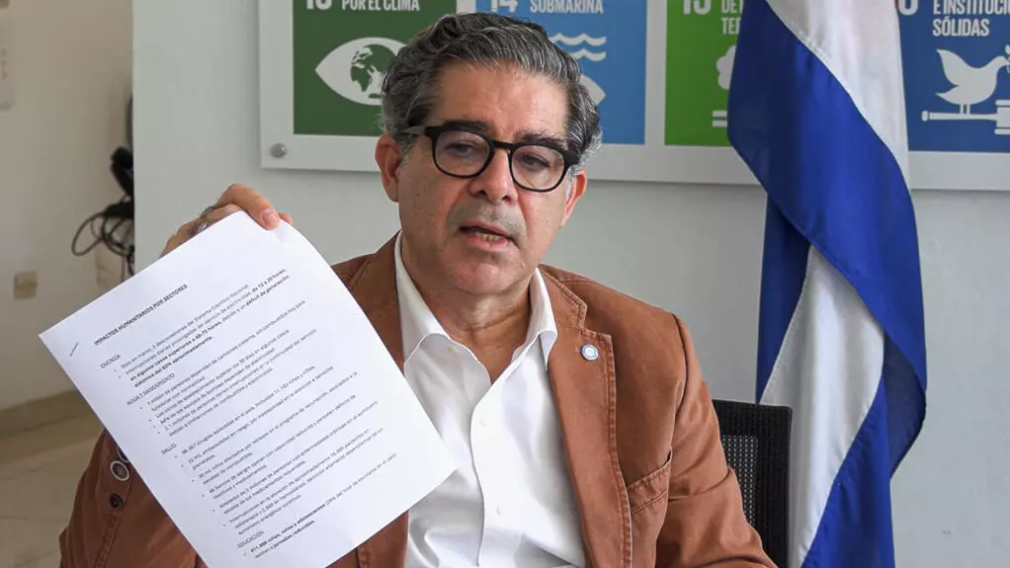
The United Nations has proposed an emergency aid plan for Cuba, including the delivery of fuel, as part of discussions with the United States on the authorization of imports for humanitarian purposes, a UN official said on Wednesday (March 25th). A plan that comes at a time when the World Health Organization considers the health situation on the island to be worrying.
Francisco Pichon, UN coordinator in Cuba, said the $94.1 million plan was proposed to keep essential services for the country's most vulnerable people running and "save lives." "If the current situation continues and the country's fuel reserves run out, we fear a rapid deterioration, with a risk of loss of life," he told a small group of journalists, including AFP.
The plan was presented on March 24 to dozens of diplomats and representatives of international NGOs. It is an extension of the UN's response to the damage caused by Hurricane Melissa that hit Cuba last October, and includes the humanitarian impact of the current energy crisis aggravated by the oil blockade imposed since January on the communist island by the United States.
A plan allowing the traceability of aid
According to Francisco Pichon, "the feasibility and implementation of this action plan obviously depend on fuel solutions". To this end, the UN is planning a "fuel traceability model" to ensure "that it is directed to the plan's priority essential and critical services", he explained. "All solutions are being considered, including collaboration with the non-state sector," he added.
UN staff have been largely unable to carry out field missions and UN agencies are struggling to recover aid shipments from Havana airports. UN Secretary-General Antonio Guterres warned last month that Cuba risked a humanitarian "collapse" if it was denied access to oil.
Cubans suffer from regular power cuts that can last more than 20 hours, and two blackouts occurred last week alone. Cuban President Miguel Diaz-Canel has imposed various measures to save fuel, including strict rationing.
The "health situation is worrying »
The WHO director-general said on March 25 that the health situation in Cuba was "deeply worrying", as the US blockade on fuel worsens the island's energy crisis. "Health must be protected at all costs and never be at the mercy of geopolitics, energy blockades and power cuts," World Health Organization Director-General Tedros Adhanom Ghebreyesus said on X.
« The situation in Cuba is deeply worrying, as the country is struggling to maintain the delivery of health services at a time of immense turbulence, leading to energy shortages that affect health he added.
The obsolescence of Cuba's electricity production system causes daily power cuts that can last up to 20 hours. The island lacks the fuel needed to produce its electricity.
Since the U.S. ousted Cuba's main ally, Venezuelan President Nicolás Maduro, on Jan. 3, the island's economy has been hit even harder, as U.S. President Donald Trump maintains a de facto oil blockade. No oil shipments have been imported to the island since January 9, hitting the power sector and also forcing airlines to cut flights to the island, a blow to the vital tourism sector.
Cuban hospitals on the brink of collapse
Tedros Adhanom Ghebreyesus referred to press reports that Cuban hospitals have struggled to maintain their emergency and intensive care services. "Thousands of surgeries have been postponed in the past month, and people in need of care, from cancer patients to pregnant women preparing for childbirth, have been put at risk due to the lack of electricity to run medical equipment and ensure the cold chain for vaccines," he said.
« Cuban hospitals, clinics and ambulances are needed, now more than ever, and must be supported," he said. In addition to the daily power cuts, fuel prices have soared, public transport is scarce and garbage is piling up, and garbage trucks are no longer running.(RFI, 2026-03-26)