Samsung Elec and AMD sign MoU on AI memory, explore foundry partnership
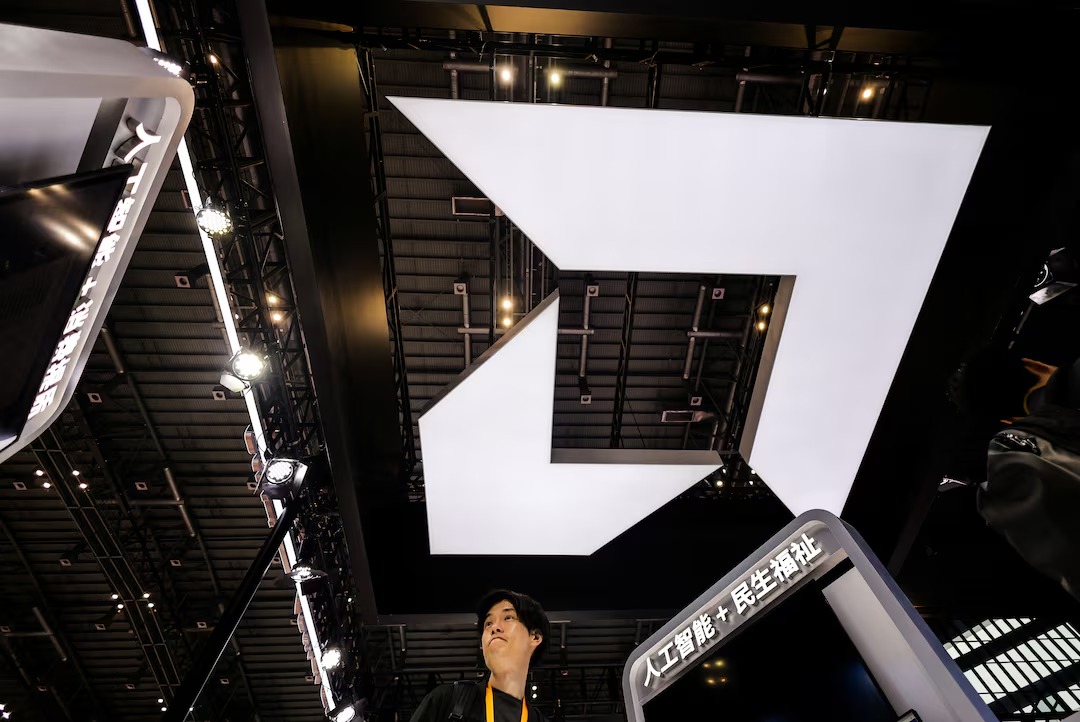
Samsung Electronics (005930.KS), opens new tab and Advanced Micro Devices (AMD) (AMD.O), opens new tab signed a memorandum of understanding to expand their strategic partnership on memory chip supplies for artificial intelligence infrastructure, the companies said on Wednesday.
The agreement will focus on supplying Samsung's next-generation high-bandwidth memory (HBM4) for AMD's upcoming Instinct MI455X AI accelerators, as well as optimised DDR5 memory for AMD's sixth-generation EPYC processors, they said in a statement.
The companies will also discuss opportunities for a foundry partnership, under which Samsung could provide contract chip manufacturing services for next-generation AMD products.
Under the agreement, Samsung will position itself as a key HBM4 supplier for AMD's next-generation AI GPUs. The South Korean firm has already been a primary HBM supplier for AMD, supplying HBM3E chips used in AMD's MI350X and MI355X accelerators.
The agreement comes during the week of Nvidia's annual developer conference GTC, where CEO Jensen Huang on Monday announced a foundry partnership with the Korean firm and praised its HBM4 chips.
The tie-up highlights a broader race among global chipmakers to lock in long-term supply partnerships for advanced memory, as AI-driven demand reshapes the semiconductor industry and tightens supply of HBM chips.
Last month, AMD said it had agreed to sell up to $60 billion worth of AI chips to Meta Platforms (META.O), opens new tab over five years, a deal that allows the Facebook owner to purchase as much as 10% of the chips. AMD signed a similar deal with OpenAI last year.
Samsung, the world's largest memory chipmaker, has been seeking to narrow the gap with rivals in the fast-growing HBM segment. It holds about a 22% share of the global HBM market, compared with market leader SK Hynix's (000660.KS), opens new tab 57%, according to Counterpoint. (Reuters, 2026-03-18)