War in the Middle East: China's energy strategy in the face of the oil shock
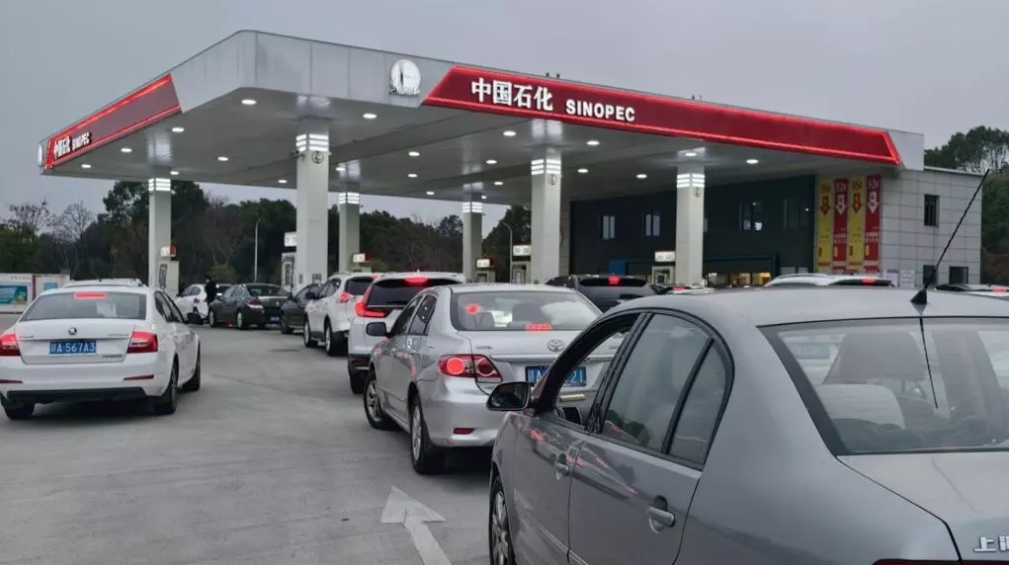
Many Asian countries are dependent on oil imports. With the threat of disruptions in the Strait of Hormuz, through which a critical part of the world's oil passes, the risk is major. But for China, the world's largest crude importer, this crisis also represents a strategic test: that of its ability to absorb an energy shock in an increasingly unstable geopolitical context.
The crisis around Iran is acting as a life-size test for China's energy strategy. Beijing has long feared that a conflict in the Middle East could disrupt its oil supplies, which are essential to its economy. To limit this risk, China has gradually built up a veritable "energy armor".
Its first line of defense consists of massive strategic reserves. The country would have more than a billion barrels in storage: enough to cover several months of imports in the event of a shock.
Second pillar: supplier diversification. Beijing is increasingly relying on Russia for its oil and gas, while continuing to import from the Middle East.
China wants to reduce its dependence on oil
But the strategy goes further. China is also seeking to reduce its dependence on oil by electrifying its economy. Electric vehicles, now largely dominant in its automotive market, are gradually replacing gasoline-powered cars.
So even if China remains highly dependent on imported oil, it is now better equipped than many other Asian economies to deal with a prolonged energy crisis. And the war in Iran could well further strengthen this strategy of energy autonomy. (RFI, 2026-03-11)