Mozambique: Government Channels 824.6 Million Meticais to Finance Economic Initiatives in Districts
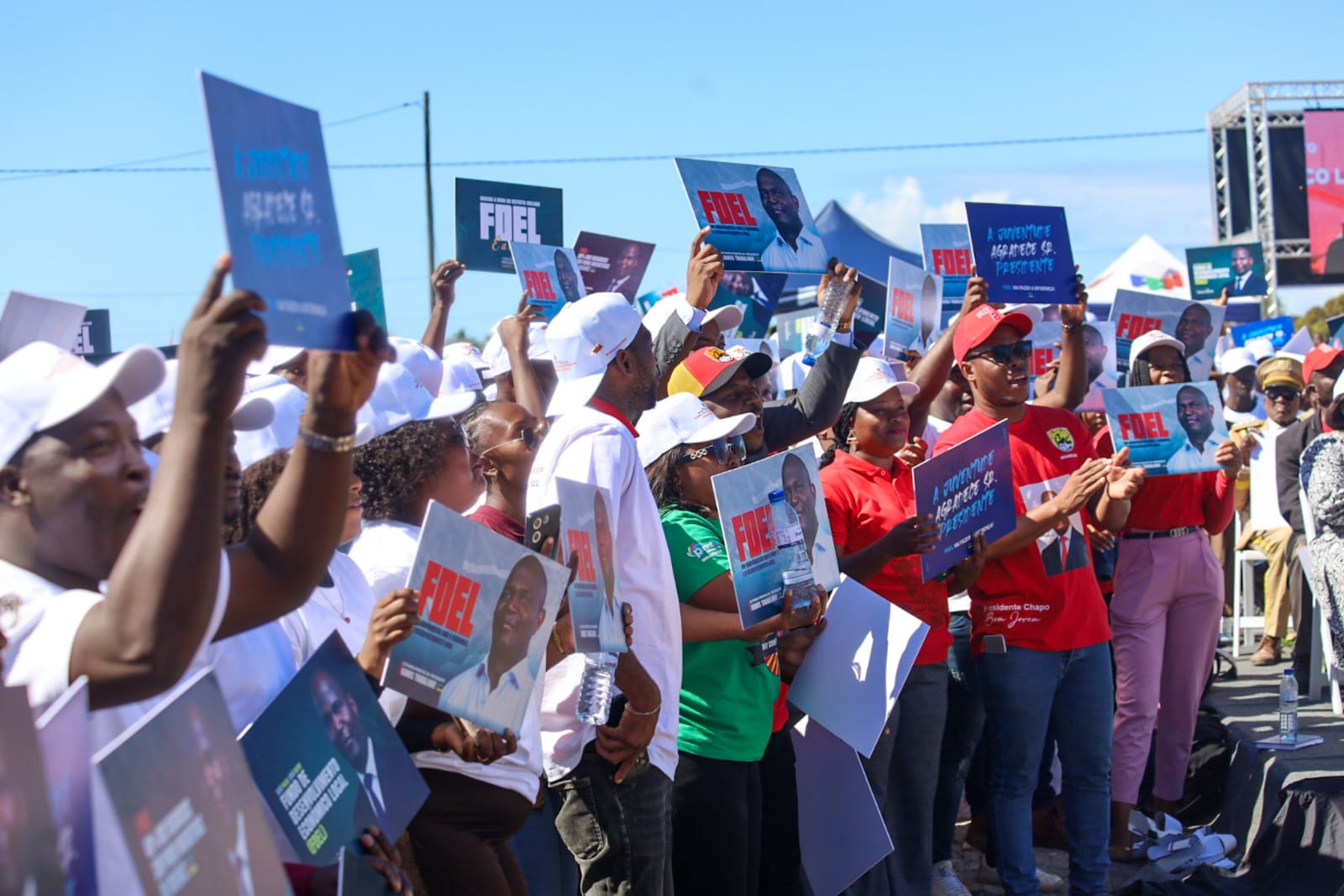
The Government has confirmed that resources from the Local Economic Development Fund (FDEL) allocated for the first implementation cycle have already been made available to the country’s districts and municipalities, marking the official start of the local-level financing phase for productive projects.
A total of 824.6 million meticais was mobilized under the 2025 fiscal year to fund economic initiatives in agriculture, livestock, trade, industry, services, tourism, and technology. The program is one of the priority instruments of the public policy for promoting local economic development, aiming to stimulate territorial economies, encourage entrepreneurship, and expand opportunities for income generation and employment within communities.
According to the Minister of Planning and Development, Salim Valá, the start of project financing represents an important step in the Government’s strategy to bring funding instruments closer to communities and boost economic dynamism in the territories.
"The Local Economic Development Fund represents a new approach to promoting economic development in the territories. We are creating opportunities for small-scale productive initiatives to transform into sustainable businesses capable of generating income, employment, and economic vitality within communities," the Minister stated.
First Disbursements Mark Operational Launch of the Fund:
The first disbursements to beneficiaries have already begun in various regions of the country, signaling the start of the program’s implementation phase. By March 12, 2026, 1,366 projects had been financed, representing a total amount of 71.97 million meticais disbursed to beneficiaries across several districts and municipalities.
The financing already executed covers various territories, including districts and municipalities in the provinces of Inhambane, Nampula, and Niassa, reflecting the decentralized nature of the fund and its goal of promoting economic opportunities in different regions.
In Inhambane province, several districts have already received funded projects, notably Funhalouro, Vilankulo, Zavala, Morrumbene, and Inharrime. In Nampula, the Monapo municipality has 92 projects funded, amounting to approximately 3.09 million meticais for supporting local economic initiatives. In Niassa, districts such as Cuamba, Mecanhelas, Mecula, Muembe, and Mavago have also recorded funded projects under the program.
High Demand for Productive Financing Reflects Entrepreneurial Dynamism:
The launch of financing comes after a nationwide mobilization process that recorded strong public participation. Since the opening of applications in October 2025, 354,302 projects were submitted, demonstrating the high demand for productive financing instruments, especially among young entrepreneurs and small economic actors.
After technical evaluation, 13,139 projects were approved. The selection process was conducted by committees including representatives from the public sector, private sector, civil society, and academia, ensuring transparency, institutional participation, and technical rigor.
Data shows that 345,457 applications were submitted by individual applicants, including 141,530 women and 203,927 men, while 8,845 projects were presented by associations and micro and small enterprises.
Rotating Model Ensures Sustainability of the Instrument:
It is important to emphasize that the Local Economic Development Fund is not merely a mechanism for distributing financial resources. The fund was designed as a productive financing instrument to support micro-entrepreneurs, youth, women, associations, and small business initiatives in districts and municipalities.
Financing is provided on concessional terms and must be repaid by beneficiaries according to established repayment plans, allowing resources to return to the fund and finance new initiatives in the future. This model transforms FDEL into a revolving financing mechanism, ensuring its sustainability and expanding its economic impact over time.
Program Aligns with National Development Strategy:
The program is aligned with the country’s main strategic development instruments, including the National Development Strategy (ENDE 2025–2044) and the Government’s Five-Year Program 2025–2029.
Alongside the fund’s implementation, the Government has developed the FDEL Digital Platform, which will allow monitoring of the program’s performance through public availability of data, reports, and analytical indicators on the fund’s execution. The platform is currently in an experimental phase.
The results of the first implementation cycle have already prompted an increase in the program’s financial allocation. For 2026, a budget of approximately 1.5 billion meticais is planned, nearly double the resources mobilized in the first year.
According to the Ministry of Planning and Development, FDEL represents an important step in bringing financing closer to communities and enabling small-scale productive initiatives to evolve into sustainable businesses capable of generating income, employment, and local economic dynamism.