Trump’s “Tariff Shock”: Brazil and Other Countries Face Higher U.S. Trade Taxes
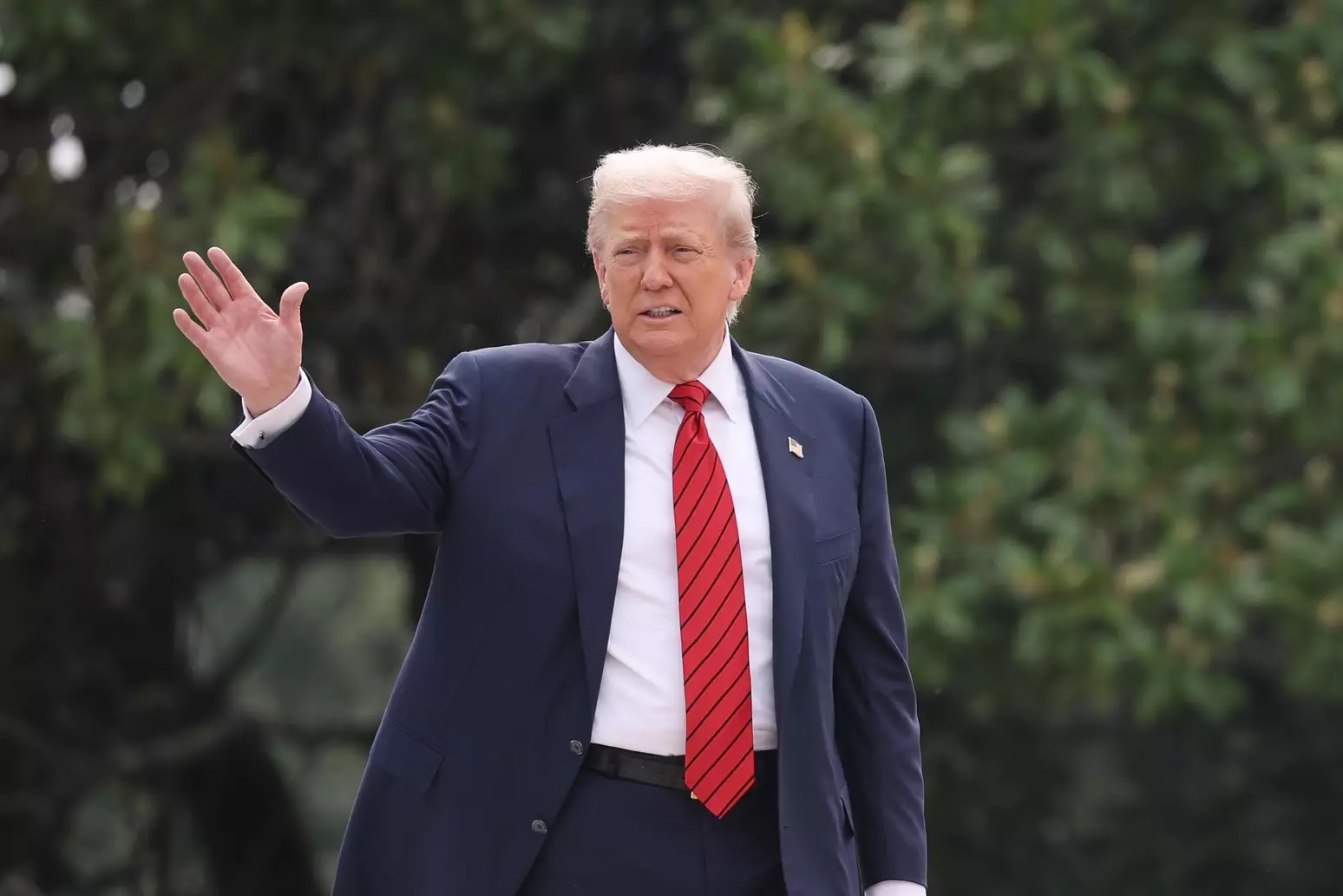
Washington, D.C. – Since taking office, Donald Trump has intensified the U.S. policy of imposing trade tariffs on foreign goods. With a new executive order set to take effect on August 7, the U.S. tariff landscape has become even more complex, varying by country and product sector.
Brazil: 50% Tariff, But With Exceptions- For Brazil, the tariff now stands at 50%, initially set at 10% and later raised by 40 percentage points. The measure was officially signed on July 30 and entered into effect on August 6.
Despite the increase, Trump granted several exceptions following an agreement with the Brazilian government. Products like beef and coffee remain subject to the full tariff, while items such as nuts, juices, fruit pulp, iron ore, aviation fuel, and civil aviation equipment are exempt. Other exclusions include wood pulp, cellulose, precious metals, energy products, and fertilizers. The full list of exceptions is available in the official White House document.
Global Impact- The U.S. tariff measures also affect other trading partners: European Union: About 70% of exports will face a 15% tariff, while copper, aluminum, and steel remain at 50%. Pharmaceuticals and semiconductors are temporarily exempt. The agreement includes commitments to invest $600 billion in the U.S. and purchase $750 billion in U.S. energy by 2028.
China: Total tariffs could reach 145%. A temporary deal reduced the rate to about 30% until August 12, though renewal has not yet been confirmed.
Russia: New tariffs could reach 100% if troops are not withdrawn from Ukraine within 10 days. Moscow downplayed the threat.
Canada: Tariffs of 35% take effect in August, with potential additional penalties related to formal recognition of the State of Palestine.
Japan: The rate was reduced to 15% following an agreement that includes $550 billion in U.S. investments. Automobiles and automotive components are covered by the tariff.
United Kingdom: A 10% tariff applies to most exports, with exceptions for steel, aluminum, vehicles, computers, and electronics.
South Korea: General tariff of 15%, but steel and aluminum remain at 50%. The country committed to invest $350 billion in the U.S. and purchase $100 billion in natural gas and other raw materials.
A Rapidly Changing Landscape-The U.S. tariff scenario is evolving almost daily as bilateral agreements are negotiated. For real-time updates, exporters can consult official sources, specialized news outlets, or platforms such as the Trump Tariff Tracker from the law firm Reed Smith.